
Erasmus Mundus Joint Master
RADMEP+
Study Radiation, Microelectronics & Photonics across Europe
A 2-year European Master’s programme focused on Radiation, Microelectronics and Photonics, combining multidisciplinary education, international mobility and practical applications in radiation-rich environments.
What is RADMEP+ ?
RADMEP+ is a multidisciplinary European Master’s programme focusing on the interactions between Radiation, Microelectronics and Photonics, two key enabling technologies for the future of Europe.
The programme provides methodologies and practical applications for the implementation of Radiation, Microelectronics and Photonics technologies in natural or man-made radiation-rich environments.
Why choose RADMEP+ ?
High-level scientific training
Advanced multidisciplinary education in Radiation, Microelectronics and Photonics.
European mobility
Study across partner universities and experience an international path.
Industry connections
Learn through research, laboratories and application-oriented environments.
Career opportunities
Prepare for careers in industry, research and doctoral studies.
FUNDING OPPORTUNITIES
Scholarships available
Scholarships are available for outstanding students worldwide. Financial support opportunities are detailed in the Scholarships section.

EUROPEAN MOBILITY
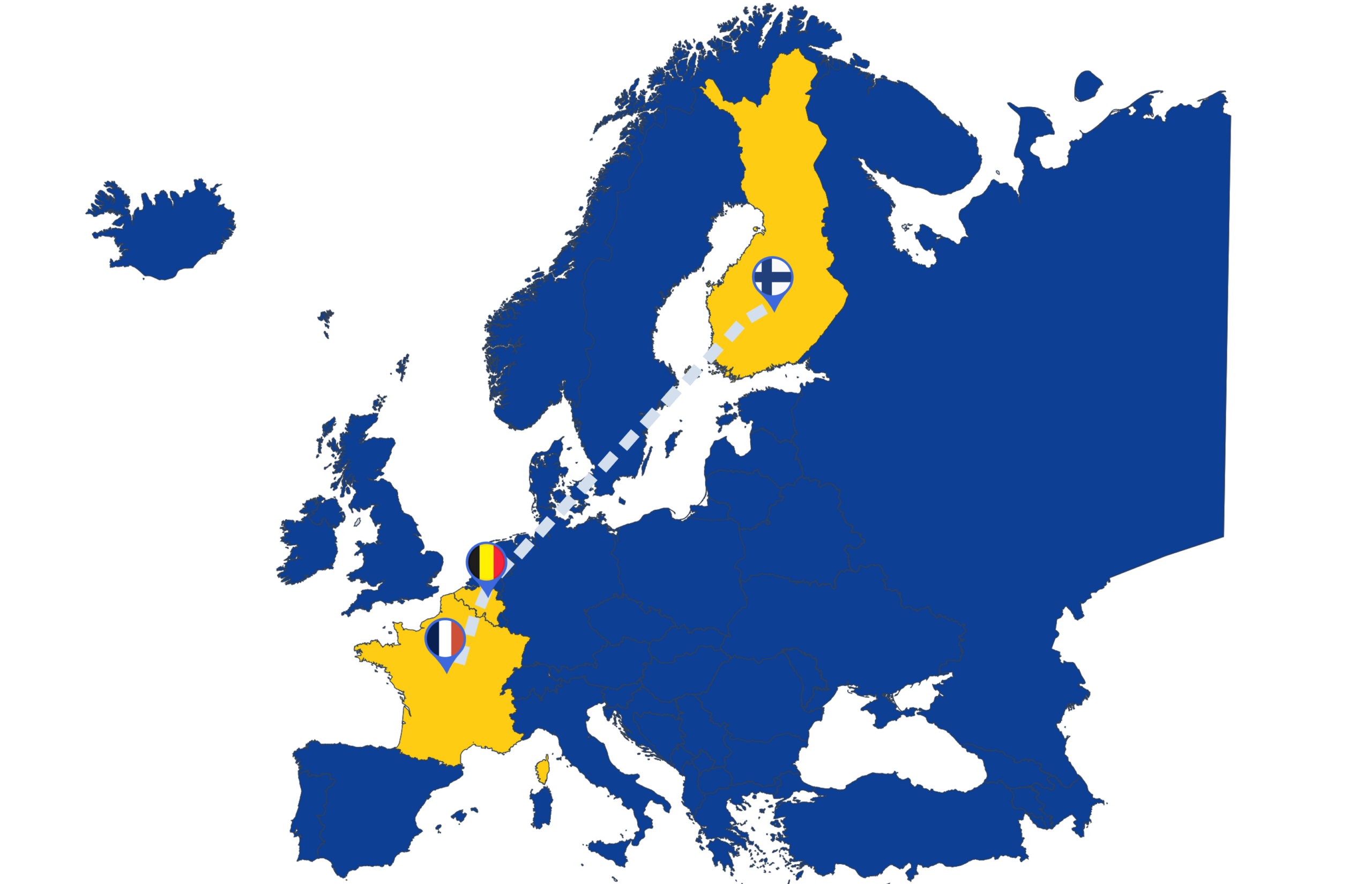
Study across Europe
Experience a mobility path across European partner universities and international academic environments.
- International mobility
- European consortium
- Multicultural experience
CAREER PATHWAYS
Career outcomes
RADMEP+ prepares graduates for advanced careers in high-tech industry, research laboratories and doctoral studies.
Industry
- Microelectronics
- Photonics
- Space and nuclear sectors
Research
- Research laboratories
- Innovation centres
- Applied scientific projects
PhD opportunities
- Doctoral programmes
- Academic specialisation
- Advanced scientific training
STUDENT EXPERIENCE
Discover student stories
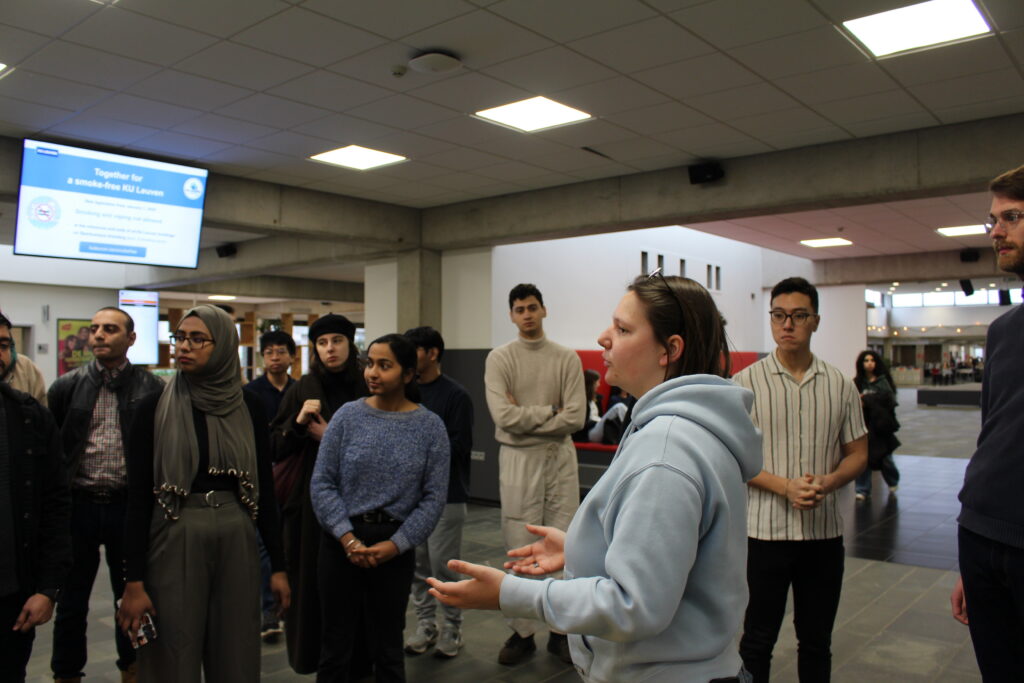
Discover how RADMEP+ students experience international mobility and multicultural learning across European partner universities.
LATEST NEWS
Discover news
Follow the latest announcements, application updates, events and student stories from RADMEP+.

Disclaimer
Co-funded by the European Union. Views and opinions expressed are however those of the author(s) only and do not necessarily reflect those of the European Union or the European Education and Culture Executive Agency (EACEA). Neither the European Union nor EACEA can be held responsible for them.